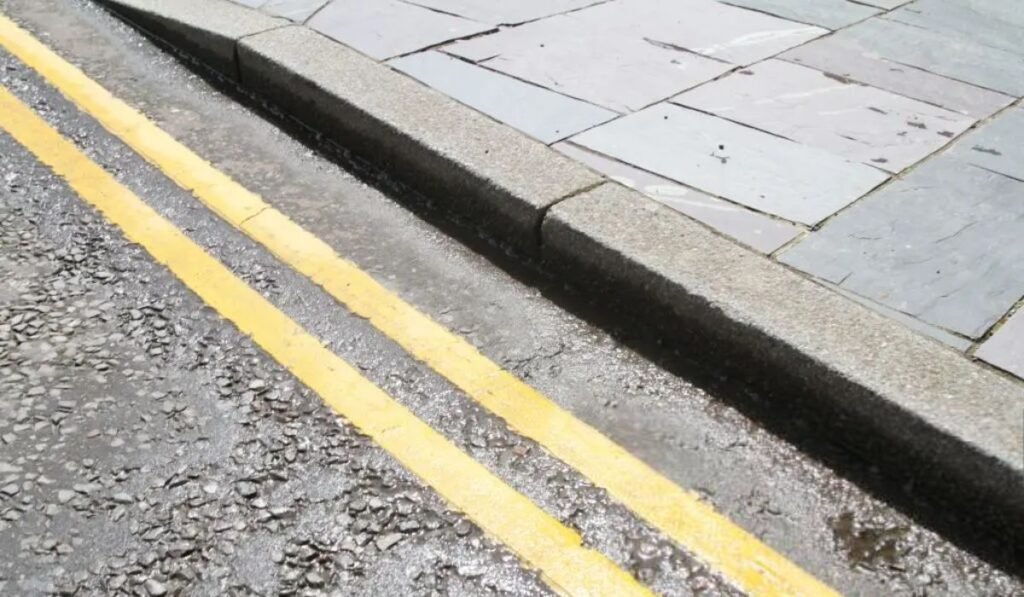
What Legal and Safety Standards Apply to Driveways and Kerbs in the UK?
When planning or modifying a driveway or kerb in the UK, it’s essential to understand the legal and safety standards that apply. From planning permissions to dropped kerbs and sustainable drainage systems, homeowners and contractors must follow specific regulations to remain compliant and avoid fines or future complications. This comprehensive guide explains the relevant laws, safety standards, and best practices for constructing or renovating driveways and kerbs, especially helpful for those considering professional services from Driveways Weymouth, a trusted provider in the region.
1. Planning Permission for Driveways
In most residential cases, planning permission is not required for installing or resurfacing a driveway, provided that:
- The surface is made of permeable materials, such as gravel, porous asphalt, or permeable concrete blocks.
- Rainwater is directed to drain naturally into a lawn, border, or other permeable area.
However, planning permission is required if:
- The driveway covers more than 5 square metres and is constructed with impermeable materials without a drainage system.
- The property is a listed building or located in a conservation area.
- Alterations are being made to a shared surface or public highway.
These regulations are in place to manage surface water drainage and reduce flood risk. Homeowners are encouraged to consult their local planning authority before starting work to ensure compliance.
2. Dropped Kerbs: Legal Requirements
A dropped kerb allows vehicles to cross a public footpath to access private driveways. It is a legal requirement to have a dropped kerb installed before driving over a pavement or verge.
Key legal points:
- Installing a dropped kerb without permission is illegal and may result in enforcement action by the local authority.
- Most councils require homeowners to submit an application for approval and often insist that the work be carried out by a council-approved contractor.
- Specifications for dropped kerbs vary by council but typically include minimum widths, gradient requirements, and rules about the placement relative to street furniture or drainage systems.
Homeowners must also ensure that the installation does not interfere with utilities or pose a safety risk to pedestrians.
3. Highway Authority and Public Safety Compliance
Where driveways or kerbs affect the public highway, including pavements, footpaths, and verges, the Highway Authority has oversight. The work must meet strict safety and construction standards, including:
- Maintaining clear sightlines and visibility for vehicles entering and exiting the property.
- Preventing trip hazards or obstructions to pedestrians.
- Ensuring that materials used on the driveway do not spill onto public paths (e.g., loose gravel must not spread onto pavements).
Non-compliance may lead to enforcement notices, fines, or requirements to remove or alter the work at the homeowner’s expense.
4. Drainage and Environmental Standards (SuDS)
Since 2008, the UK has introduced Sustainable Urban Drainage System (SuDS) guidelines for driveways to reduce flood risk and protect water systems. The rules are especially relevant in urban and residential areas.
Driveways must be constructed using:
- Permeable surfacing such as porous block paving, permeable asphalt, or gravel.
- Properly designed drainage systems like soakaways, rain gardens, or drainage channels.
If impermeable materials are used, the driveway must include adequate drainage that directs water to a permeable area. Failure to include such measures may require retroactive changes or planning applications.
5. Structural and Building Considerations
Although domestic driveways are usually exempt from full Building Regulations, there are structural standards and safety requirements that still apply:
- The sub-base and foundation must be capable of supporting vehicle weight without subsidence or cracking.
- The driveway must not compromise the structural integrity of adjacent buildings, retaining walls, or boundary fences.
- Drainage and water flow must be managed to prevent water from flowing toward foundations or public roads.
When adding features such as walls, gates, or lighting along the driveway, separate building regulations or permissions may apply.
6. Vehicle Access and Utility Infrastructure
Before constructing or altering a driveway, it is important to consider:
- Existing access to public roads, including sightlines and visibility for oncoming traffic.
- The presence of underground services such as gas pipes, water mains, and telecom cables. Contractors should conduct a utility search and use safe excavation practices.
- Proximity to trees, especially if covered by Tree Preservation Orders (TPOs). Any interference with protected trees requires council approval.
Work carried out without proper surveys or permissions can lead to service disruption, damage liabilities, or enforcement action.
7. Legal Consequences of Non-Compliance
Homeowners who ignore the relevant legal and safety standards may face:
- Fines or legal action from the local authority.
- Orders to reinstate pavements or kerbs at their own cost.
- Reduced property value or delays during home sales, especially where unpermitted works must be disclosed to buyers.
These outcomes can be costly and time-consuming. Ensuring legal compliance from the outset is the most reliable way to protect both your investment and your property rights.
8. How Driveways Weymouth Ensures Legal and Safe Installations
As a professional driveway service provider, Driveways Weymouth prioritises legal compliance, safety, and quality craftsmanship in every project. Their services include:
- Free consultations and planning support.
- Detailed site surveys that identify potential legal or safety concerns.
- Management of dropped kerb applications and communication with local councils.
- Use of approved materials and sustainable drainage solutions.
- Installation by experienced professionals who follow all relevant construction and environmental standards.
Driveways Weymouth has extensive knowledge of local requirements in Dorset and consistently delivers work that meets both aesthetic expectations and legal obligations.
Conclusion
Driveways and kerbs may appear straightforward, but in the UK, they are subject to a range of planning laws, safety codes, and environmental standards. Whether you are installing a new driveway, applying for a dropped kerb, or upgrading an existing surface, compliance with these regulations is essential.
By working with a qualified and experienced service provider like Driveways Weymouth, you can ensure that your project is not only visually appealing but also legally secure and built to last.
For professional advice or a no-obligation quote, contact Driveways Weymouth today.