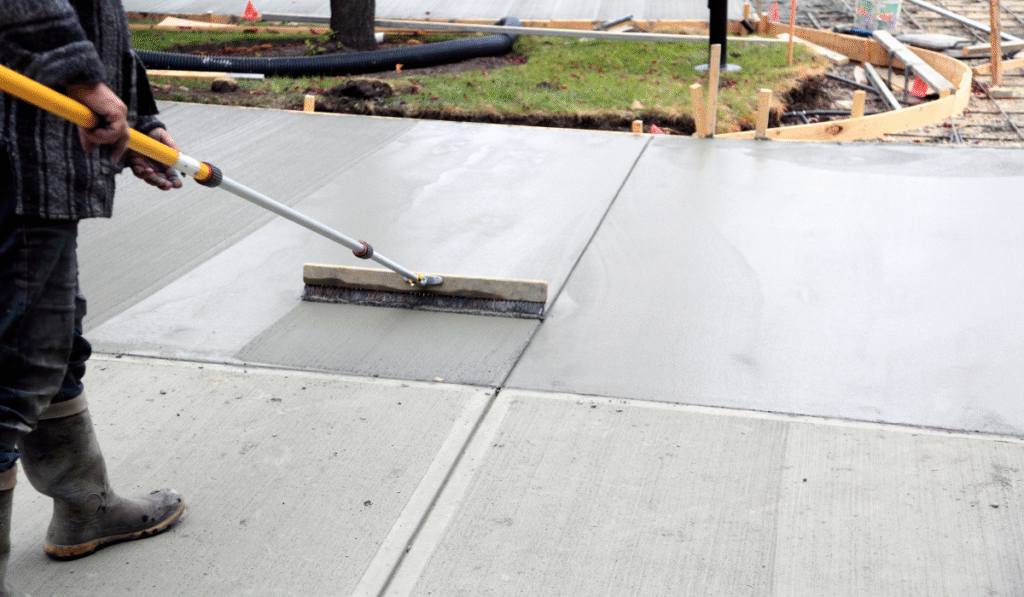
How Do Professionals Ensure Safety During Driveway Installation?
Installing a driveway is a major construction task that requires much more than just laying down paving slabs or pouring concrete. It involves careful planning, heavy machinery, precise measurements, and adherence to safety regulations. What Are the Key Steps for a Professional Driveway Installation? Understanding these steps is essential, because without proper precautions, there is a risk of personal injury, property damage, environmental harm, and long-term structural issues.
In the UK, professional driveway installers follow a combination of Health and Safety Executive (HSE) guidance, local authority requirements, and industry best practices to ensure every stage of the installation process is completed without risk to workers, homeowners, or the public. Understanding these measures can help property owners appreciate the work that goes into a safe, long-lasting driveway.
1. Detailed Pre-Installation Site Assessment
Before the first piece of equipment arrives on site, professionals conduct a comprehensive survey. This includes:
- Locating underground utilities – Using services such as “Dial Before You Dig” or local utility maps, installers identify the exact location of gas lines, water pipes, and electrical cables to prevent dangerous and costly damage during excavation.
- Assessing ground conditions – Soil composition, stability, and drainage capacity are analysed. Weak or unstable soil may require reinforcement or a thicker sub-base to ensure the driveway does not sink or crack.
- Identifying potential hazards – Overhead power lines, nearby buildings, and uneven terrain are taken into account to plan safe machinery movement.
- Drainage and slope analysis – Poor drainage can lead to water pooling, which not only damages the driveway but also creates slip hazards in winter.
By taking these steps, a team such as those handling driveways in Weymouth can avoid accidents and ensure the project starts on a secure footing.
2. Comprehensive Risk Management and Method Planning
Safety is never left to chance. Before installation begins, professionals prepare a method statement and risk assessment that outline:
- The sequence of tasks, from excavation to final surfacing.
- The specific hazards expected at each stage.
- The control measures to eliminate or reduce risks.
For example, if the site is located on a busy road, the plan will include traffic control procedures and pedestrian safety measures. If the driveway is on a slope, additional stabilisation techniques may be detailed.
3. Personal Protective Equipment (PPE) Compliance
The Health and Safety at Work Act requires employers to provide and enforce PPE use. Driveway installation teams typically wear:
- Hard hats to protect from falling tools or materials.
- High-visibility clothing so that workers remain visible to machinery operators and passing vehicles.
- Steel-toe boots to prevent foot injuries from heavy pavers or equipment.
- Cut-resistant gloves for handling sharp-edged blocks and tools.
- Dust masks or respirators when cutting stone, concrete, or block pavers to avoid inhalation of fine silica dust.
- Hearing protection when using loud machinery like compactors or saws.
4. Machinery and Equipment Safety Protocols
Driveway installation often requires diggers, dumpers, cement mixers, and plate compactors. Professionals follow strict safety steps:
- Daily inspections – Checking for oil leaks, loose parts, or worn safety guards before use.
- Qualified operators only – All heavy machinery must be operated by trained, certified personnel.
- Safe positioning – Equipment is placed on stable ground to prevent tipping or sliding, especially on sloped or wet surfaces.
- Emergency stop procedures – All workers are briefed on how to halt machinery safely in case of a malfunction.
5. Safe Excavation Practices
Excavation is one of the riskiest parts of driveway installation, as it involves working in unstable soil and close to underground utilities. Professionals ensure safety by:
- Using stepped excavation or support systems for deeper trenches.
Keeping spoil piles away from excavation edges to prevent collapses. - Avoiding over-digging, which can weaken surrounding structures.
- Monitoring weather, in Weymouth and other coastal areas, sudden rainfall can quickly destabilise the soil.
6. Managing Traffic and Pedestrian Risks
When driveway installation takes place near public roads or pathways, safety extends beyond the work crew:
- Barriers and cones are positioned to clearly mark hazardous areas.
- Temporary pedestrian routes are set up if the footpath is blocked.
- Warning signs are placed well ahead of the site to alert approaching drivers.
- A designated banksman (traffic marshal) may be used to guide vehicles in and out of the site safely.
7. Weather and Environmental Safety Measures
UK weather can quickly impact safety and quality:
- Rain – Creates slippery conditions and risks water contamination in wet concrete.
- Frost – Can weaken freshly laid materials and make surfaces hazardous.
- High winds – Pose a risk when handling lightweight materials or using lifting equipment.
Professionals monitor forecasts and may adjust working hours or pause operations during unsafe conditions. Materials are often covered with protective sheeting to maintain quality and safety.
8. Environmental Protection During Installation
Safety isn’t just about people, the surrounding environment is also considered:
- Preventing fuel or oil spills from machinery through drip trays.
- Storing materials away from drains to prevent blockages or contamination.
- Reducing dust and debris spread to neighbouring properties.
- Minimising noise pollution where possible, especially in residential areas.
9. Adherence to Legal and Regulatory Standards
Professional installers follow:
- Local authority planning requirements – Especially if the driveway impacts drainage or street access.
- Sustainable Urban Drainage Systems (SuDS) regulations – Required for new driveways over a certain size to prevent surface water flooding.
- Waste disposal laws – Ensuring old materials are taken to licensed disposal or recycling facilities.
10. Post-Installation Safety and Quality Checks
Once the driveway is complete, safety does not end there:
- Surface inspections – Ensuring there are no uneven areas or loose materials that could cause trips.
- Edge stability checks – Preventing collapse or crumbling at the driveway borders.
- Curing time enforcement – Restricting vehicle use until materials are fully set to avoid structural weakness.
Final Thoughts
Driveway installation is a multi-stage process that demands meticulous planning and strict adherence to safety protocols. From initial surveys and PPE use to traffic management and environmental care, every stage is designed to protect people, property, and the surrounding community.
By working with skilled professionals, such as those experienced in Driveways Weymouth projects, homeowners can ensure their driveway is built to last, safely, legally, and with minimal risk throughout the process.