What Are the Best Driveway Pavers?
Choosing the right driveway pavers is one of the most important decisions when planning a new driveway. The surface material sets the tone for your home’s kerb appeal, affects the lifespan of the driveway, and determines how much maintenance will be required over time. In the UK, where weather conditions range from heavy rain to frost, the choice of pavers needs to balance style, durability, and practicality. This detailed guide explores the best driveway pavers for UK homes, comparing their features, costs, and benefits. We’ll also explain why working with a trusted local installer such as Driveways Weymouth can help you achieve a beautiful, long-lasting result.
Key Qualities of a Good Driveway Paver
The best pavers are not just about appearance. They must also withstand the demands of daily use and the British climate. When selecting driveway pavers, consider the following factors:
- Durability: Pavers must handle the weight of vehicles and resist cracking or shifting over time.
- Weather Resistance: UK driveways need pavers that can cope with rain, frost, and occasional heatwaves without becoming slippery or damaged.
- Low Maintenance: Choose pavers that are easy to clean and maintain, ideally with good resistance to moss and weeds.
- Visual Appeal: The driveway is often the first thing visitors see, so the style and colour should complement your property.
- Permeability: Permeable pavers help meet UK drainage regulations by allowing water to drain naturally into the ground, reducing the need for additional drainage systems.
The Best Types of Driveway Pavers in the UK
Here are some of the most popular and reliable driveway paver options, along with their pros, cons, and approximate costs:
1. Concrete Block Pavers
Why they’re popular:
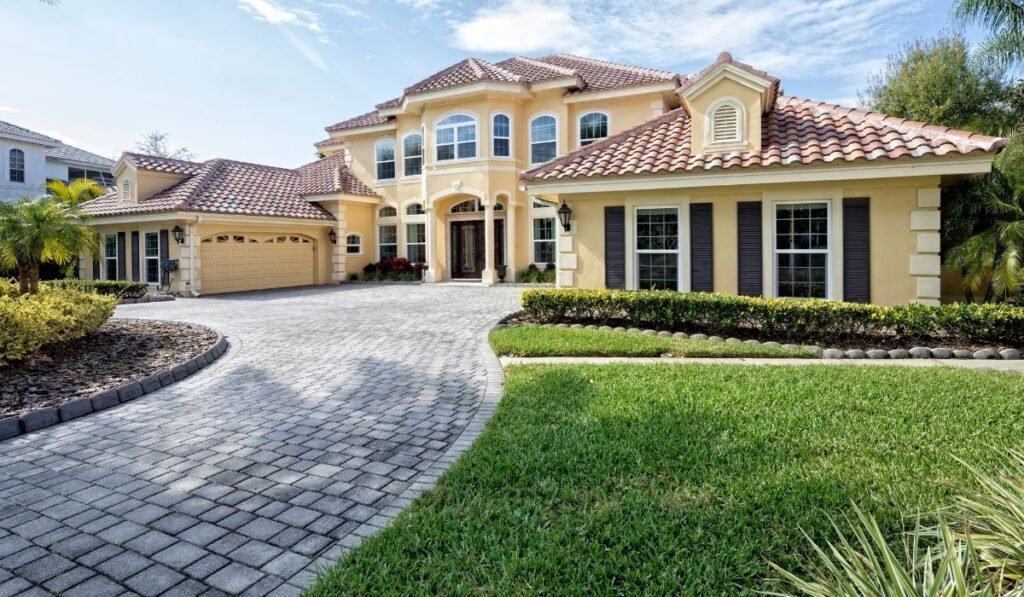
Concrete block pavers are one of the most common choices for UK driveways. They are strong, versatile, and available in a wide range of colours, textures, and patterns. You can create traditional herringbone designs, modern linear layouts, or customised borders for a truly bespoke look.
Benefits:
- Extremely durable and capable of supporting heavy vehicles.
- Wide variety of shapes, colours, and finishes.
- Easy to repair by replacing individual blocks if damaged.
- Available in permeable options for natural drainage.
Typical cost: Around £70 – £130 per m² installed, depending on design complexity.
2. Clay Brick Pavers
Why they’re timeless:
Clay bricks have been used for centuries and remain a favourite for traditional homes. Their rich, natural colours don’t fade over time, and they create a warm, classic look that complements period properties.
Benefits:
- Colour-fast and weather-resistant.
- Traditional charm that suits older or heritage-style homes.
- Environmentally friendly, made from natural clay.
Considerations:
- More expensive than concrete blocks.
- Requires regular re-sanding of joints to prevent weed growth.
Typical cost: Around £80 – £140 per m² installed.
3. Natural Stone Pavers (Granite, Sandstone, Limestone)
Why they stand out:
For a premium look, natural stone pavers offer unmatched elegance and individuality. Each stone is unique, adding character and a high-end finish to your driveway. Granite is especially hard-wearing, while sandstone and limestone offer softer, rustic tones.
Benefits:
- Long lifespan with exceptional durability.
- Unique natural patterns and textures.
- Adds significant kerb appeal and property value.
Considerations:
- Higher upfront cost compared with concrete or clay.
- Requires sealing to protect against stains and frost damage.
Typical cost: Around £90 – £150+ per m², depending on the stone type and finish.
4. Porcelain Pavers
Why they’re modern:
Porcelain pavers are becoming increasingly popular in the UK for their sleek, contemporary look and low maintenance. They are non-porous, stain-resistant, and available in a range of modern colours and finishes.
Benefits:
- Excellent resistance to stains, moss, and algae.
- Frost-resistant and ideal for wet climates.
- Easy to clean and maintain.
Considerations:
- Requires professional installation to prevent cracking.
- Less forgiving under heavy loads compared with concrete.
Typical cost: Around £80 – £130 per m² installed.
5. Permeable Pavers
Why they meet regulations:
Permeable pavers allow rainwater to drain naturally through the surface into the ground below, making them ideal for meeting UK Sustainable Drainage System (SuDS) requirements. These can be made from concrete, gravel-filled grids, or specially designed block systems.
Benefits:
- Reduces flood risk by preventing water run-off.
- Often eligible for installation without planning permission.
- Available in a variety of finishes to suit traditional or modern designs.
Typical cost: Around £70 – £140 per m², depending on the system chosen.
Choosing the Right Paver for Your Property
The best paver for your driveway depends on your budget, property style, and maintenance preferences:
- For budget-friendly projects: Concrete block pavers or permeable gravel-filled pavers provide excellent value without sacrificing style.
- For a traditional or heritage look: Clay brick or tumbled concrete blocks are ideal for period homes.
- For a modern, minimalist finish: Porcelain or smooth natural stone pavers offer a clean, contemporary feel.
- For maximum durability: Granite or heavy-duty concrete blocks provide long-lasting performance for high-traffic driveways.
Installation and Maintenance Tips
Even the best pavers need professional installation to ensure a long lifespan. Here are key considerations:
- Proper Sub-Base: A strong, compacted foundation prevents sinking and shifting.
- Drainage Compliance: Ensure the driveway directs water away from the property or uses permeable materials to meet UK regulations.
- Sealing: Applying a quality sealant can reduce staining and make cleaning easier.
- Regular Cleaning: Sweep regularly to remove debris and use a pressure washer occasionally to prevent moss and algae growth.
Hiring experts like Driveways Weymouth ensures your driveway is built to the highest standards, using the best materials and techniques for long-lasting results.
Typical Lifespan of Driveway Pavers
With proper installation and maintenance, most quality pavers can last 20–30 years or more. Natural stone often lasts even longer, while concrete block pavers can be easily repaired or re-laid to extend their life.
Why Use a Professional Service
DIY paving projects may seem tempting but can lead to uneven surfaces, drainage issues, or premature wear if not done correctly. A professional company such as Driveways Weymouth offers:
- Expert advice on choosing the best paver for your property.
- High-quality installation with correct foundations and drainage.
- Access to premium materials and design options.
- Long-term guarantees on workmanship and materials.
Final Thoughts
The best driveway pavers in the UK combine durability, beauty, and compliance with drainage regulations. Whether you prefer the classic charm of clay bricks, the modern elegance of porcelain, or the rugged strength of natural stone, the right choice will enhance your home for decades. For a driveway that’s both stylish and built to last, consult a trusted installer such as Driveways Weymouth, who can guide you through material selection, design options, and professional installation to achieve a driveway that perfectly complements your property and lifestyle.