How to Clean a Driveway Without a Pressure Washer
Keeping your driveway clean is essential for maintaining your home’s kerb appeal, preventing damage, and ensuring safety, but what if you don’t own a pressure washer? Many homeowners assume that powerful machines are necessary for effective cleaning, yet it’s entirely possible to achieve excellent results using simple tools and household products. In this detailed guide, Driveways Weymouth explains driveways cleaning without a pressure washer, which products to use, and how to keep your surface looking spotless all year round, whether it’s concrete, tarmac, block paving, or brick.
Why Regular Driveway Cleaning Matters
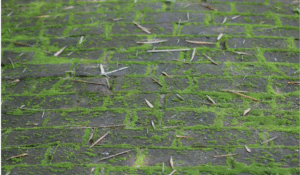
Driveways in coastal and damp regions like Weymouth are particularly prone to algae, moss, and grime buildup due to the moist climate. Over time, this can lead to:
- Slippery surfaces, increasing the risk of accidents.
- Permanent stains from oil, grease, or fallen leaves.
- Moss and weed growth that damages joints or paving edges.
- Faded colour and worn texture, reducing kerb appeal.
Regular cleaning protects your driveway against these issues and extends its lifespan, even without high-powered equipment.
Tools and Materials You’ll Need
You don’t need expensive gear to keep your driveway in great condition. Gather the following tools before you begin:
- Stiff-bristle outdoor broom or long-handled scrubbing brush
- Garden hose with adjustable nozzle
- Bucket and warm water
- Mild detergent, washing-up liquid, or pH-neutral cleaner
- Baking soda or white vinegar (for stains and natural cleaning)
- Degreaser (for oil or fuel stains)
- Weed killer or moss remover
- Optional: Brick or concrete sealer for protection
Step-by-Step Guide: Cleaning Your Driveway Without a Pressure Washer
Cleaning your driveway by hand takes more effort than pressure washing, but the results can be just as impressive when done properly. Follow these detailed steps to restore your driveway’s appearance.
Step 1: Clear the Surface
Start by removing all vehicles, bins, and objects from the driveway. Sweep thoroughly using a stiff broom to clear away loose dirt, gravel, and leaves. This step ensures that no debris interferes with the cleaning process.
If you notice weeds or moss between the joints or cracks, apply a weed killer or moss treatment a few days before cleaning. This will make removal easier and prevent regrowth.
Step 2: Treat Stains and Problem Areas
Different stains require different treatments. Here’s how to tackle common driveway issues using everyday products:
For Oil and Grease Stains:
- Sprinkle baking soda or cat litter on the affected area to absorb excess oil.
- Leave for several hours or overnight.
- Sweep up the material, then scrub with a mix of warm water and washing-up liquid.
- For tougher stains, use a commercial degreaser and rinse well.
For Algae, Moss, and Mould:
- Mix one part white vinegar with one part water in a bucket.
- Pour the solution over affected areas and leave it for 15–20 minutes.
- Scrub firmly with a stiff brush, then rinse thoroughly with a garden hose.
- Repeat if necessary for heavily infested areas.
For Rust or Leaf Stains:
- Apply lemon juice or vinegar directly to the stain.
- Leave for 10–15 minutes before scrubbing.
- Rinse thoroughly to remove residue.
Note: Always test cleaning solutions on a small, hidden area first to ensure they do not discolour your surface.
Step 3: Wash the Driveway
Once stains have been treated, it’s time to wash the entire driveway surface. You can use one of the following simple cleaning mixtures:
Option 1: Soap and Water Solution
- Mix a few tablespoons of washing-up liquid in a bucket of warm water.
- Pour the mixture over small sections of your driveway.
- Scrub the area vigorously with your stiff broom or brush.
- Rinse away the soapy water using your garden hose.
Option 2: Vinegar and Water Mix (Eco-Friendly Method)
- Combine equal parts white vinegar and warm water.
- Pour onto the surface and allow it to sit for about 20 minutes.
- Scrub with a stiff brush to lift grime and moss.
- Rinse thoroughly to avoid streaks or lingering smell.
Option 3: Soda Crystal Solution (For Heavy Dirt)
- Dissolve half a cup of soda crystals in a bucket of hot water.
- Apply to the surface and scrub thoroughly.
- Leave it to sit for 10–15 minutes before rinsing with clean water.
These methods are suitable for most types of driveways, including brick, concrete, and tarmac, and provide a low-cost yet highly effective cleaning alternative.
Step 4: Rinse Thoroughly
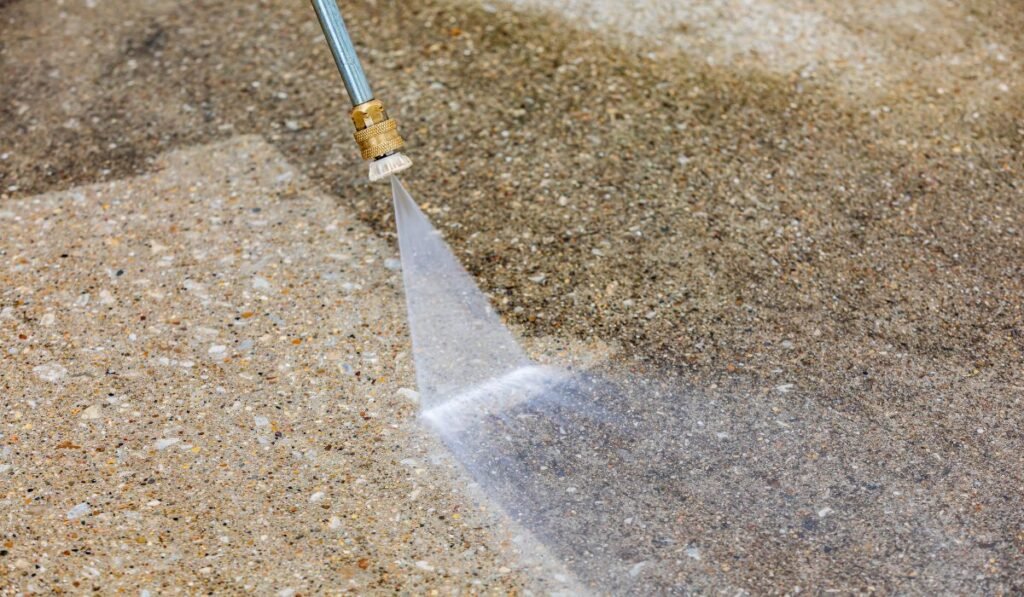
Once you’ve finished scrubbing, use a garden hose fitted with a spray nozzle to rinse away the remaining dirt, soap, and cleaning solution. Start at the highest point of your driveway and work your way down to ensure proper drainage.
Avoid using excessive force when rinsing, gentle water pressure will remove the debris without displacing jointing sand or damaging the surface.
Step 5: Allow to Dry and Inspect
After rinsing, allow the surface to air dry completely. This usually takes several hours on a warm day. Once dry, inspect the driveway for any missed stains or areas that may need additional cleaning.
For brick or block paving driveways, check the joints. If sand has washed away during cleaning, sweep fresh kiln-dried sand into the gaps to maintain stability and prevent weed growth.
Step 6: Apply a Protective Sealer (Optional but Recommended)
Applying a sealant after cleaning can make a significant difference in how your driveway ages. Sealers act as a barrier against dirt, moisture, and staining.
Benefits of sealing your driveway:
- Prevents moss and algae growth
- Enhances natural colour and appearance
- Reduces oil and water absorption
- Makes future cleaning easier
- Extends the life of the surface
Use a product specifically designed for your driveway material, brick, block paving, or concrete. Apply evenly with a roller or sprayer, and avoid using your driveway until it has fully dried (usually 24–48 hours).
Eco-Friendly Cleaning Alternatives
For homeowners in Weymouth who want to avoid harsh chemicals, there are several eco-friendly driveway cleaning options:
- Bicarbonate of soda: Natural cleaner that removes grime without damaging surfaces.
- Vinegar and lemon: Both are biodegradable and effective for killing algae.
- Biodegradable moss killers: Available in garden centres, safe for pets and plants.
- Hot water and scrubbing: Sometimes, plain hot water is all that’s needed for light dirt.
These natural methods are ideal for maintaining a clean driveway while protecting your garden and local environment.
Routine Maintenance Tips
Keeping your driveway clean doesn’t always require a full deep clean. With consistent maintenance, you can avoid heavy build-up and reduce the need for harsh scrubbing.
Here’s how to keep it looking its best:
- Sweep your driveway once a week to prevent dirt accumulation.
- Treat oil or grease stains as soon as they appear.
- Apply moss or algae treatment every few months, especially in damp seasons.
- Rinse with a garden hose after heavy rainfall or muddy days.
- Avoid using harsh acidic cleaners, as they can damage your surface.
A small amount of regular care goes a long way in preserving your driveway’s condition.
When to Consider Professional Cleaning
If your driveway has deep stains, heavy moss growth, or uneven discolouration, manual cleaning may not deliver the desired results. In such cases, it’s best to hire professionals.
Driveways Weymouth offers expert driveway cleaning services tailored for different surfaces, including concrete, tarmac, block paving, and natural stone. Using advanced soft-washing and eco-friendly products, our team can restore your driveway’s original appearance without causing damage.
We also provide sealing and maintenance solutions to help protect your surface for the long term, ideal for coastal homes exposed to constant moisture and salt air.
Final Thoughts
You don’t need a pressure washer to have a spotless, attractive driveway. With the right tools, cleaning solutions, and a bit of effort, you can remove dirt, stains, and moss using simple, affordable methods.
A clean driveway not only boosts your property’s kerb appeal but also improves safety and prolongs the lifespan of the surface.
For homeowners who want professional results without the manual work, Driveways Weymouth provides complete driveway cleaning, re-sanding, and sealing services across Dorset. Our specialists ensure a deep clean that enhances and protects your driveway, without relying on harsh chemicals or excessive pressure.Weymouth?