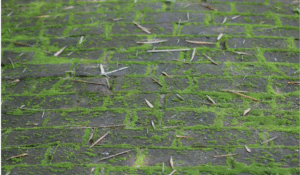
How to Clean Patio Driveways
Patio driveways are one of the most used areas of any home. Whether you park your car, host outdoor gatherings, or simply use the path daily, the driveway constantly faces dirt, weather exposure, tyre marks, oil, algae, and foot traffic. Over time, this buildup can make the surface look aged, discoloured, and even unsafe due to slippery growths. Regular cleaning not only restores the appearance of the driveway but also prolongs the surface life and prevents long-term structural damage. This in-depth guide covers every step involved in cleaning patio driveway, the best products to use, common mistakes to avoid, and when to rely on professional services such as Driveways Weymouth for expert maintenance and deeper restoration.
1. Prepare the Surface by Clearing Debris Thoroughly
Effective driveway cleaning always begins with surface preparation.
Start by removing all loose debris such as leaves, twigs, gravel, soil buildup, and litter.
Why this step is important:
- It prevents dirt from spreading during washing
- Makes detergents and cleaning solutions more effective
- Protects delicate surfaces like block paving from scratches
- Reveals hidden stains or algae that need treatment
Use a stiff outdoor broom or brush designed for heavy surfaces. If your patio driveway has gaps or jointing sand, sweep gently to avoid removing the sand unnecessarily. Remove any outdoor furniture, pots, or decor items to ensure clear access to the entire area.
2. Saturate the Driveway with Water to Loosen Dirt
Before scrubbing or applying chemicals, rinse the entire driveway using a garden hose. This helps soften the dirt and makes the next steps more effective.
Benefits of pre-rinsing:
- Loosens dust, mud, and pollen
- Helps spot deeper grime and oil patches
- Minimises scratches during scrubbing
- Reduces the amount of cleaning product required
If the driveway has accumulated dry mud or clay, soak the area for several minutes to make scrubbing easier.
3. Choose the Right Cleaning Solution Based on Driveway Material
Different driveway surfaces require different cleaning methods to prevent damage. Using the wrong product can cause discolouration, erosion, or chemical burns on certain materials. Below are the best methods for each type of patio driveway.
Concrete Driveways
Concrete is durable but porous, which means it holds stains easily.
Recommended cleaning method:
- Use a mixture of warm water and a mild detergent or concrete cleaner
- Apply generously and allow it to sit for 10–15 minutes
- Avoid bleach unless necessary, as frequent use weakens the concrete surface
For very dirty concrete, a specialised concrete degreaser works best.
Block Paving Driveways
Block paving is attractive but requires gentle care because the joints contain sand.
Safe cleaning approach:
- Use a pH-neutral block paving cleaner
- Avoid acidic or caustic cleaners
- Never apply dishwashing liquid containing strong chemicals
Block paving can easily lose its joint sand when pressure washed, so use low pressure with caution.
Natural Stone (Sandstone, Limestone, Granite, Slate)
Natural stone is sensitive and can be permanently damaged by acidic solutions.
Best cleaning method:
- Use stone-safe or pH-neutral stone cleaners
- Avoid vinegar, bleach, or acidic products
- Test on a small area first
Soft stones like sandstone and limestone absorb stains quickly and require professional sealing for long-term protection.
Resin Bound Driveways
Resin surfaces need gentle, non-solvent cleaners.
Cleaning process:
- Use warm water mixed with mild detergent
- Scrub with a soft to medium-bristled brush
- Avoid solvent cleaners which may break down the resin binder
High-pressure washing should be done only at low pressure.
Tarmac Driveways
Tarmac can soften if exposed to strong chemicals.
Safe products include:
- Tarmac-safe detergent
- Non-caustic degreasers
- Mild soapy water for general cleaning
Avoid petrol, diesel, and solvent-based products.
4. Apply the Cleaning Solution and Allow Time for Activation
For best results, pour or spray the cleaning solution evenly across the driveway. Let it sit for 10–20 minutes to dissolve dirt, algae, and grime.
Important reminders:
- Avoid letting the solution dry, especially in hot weather
- Work in sections if the driveway is large
- Keep pets and children away during this process
Allowing activation time reduces the amount of scrubbing required later.
5. Deep Scrub the Surface Using the Right Tools
Scrubbing lifts embedded dirt and helps remove stains that cling to the surface. The best tool is a stiff-bristled outdoor brush, but soft-bristle brushes may be required for delicate surfaces.
Focus on:
- Tyre marks from cars
- Algae patches around shaded or damp areas
- Edges near drains where grime collects
- Oil drips and food spills near seating areas
For larger driveways, a long-handled scrubbing brush makes the job easier and more thorough.
6. Use a Pressure Washer for Deep Cleaning (If Appropriate)
Pressure washing can dramatically improve a driveway’s appearance by removing deep-set dirt and stains. However, it must be used correctly.
Safe pressure washing guidelines:
- Keep the nozzle at a safe distance to avoid damage
- Avoid using maximum pressure
- Use a fan spray nozzle rather than a pinpoint jet
- Move in consistent, overlapping motions
Materials where pressure washing must be gentle:
- Block paving (may remove sand)
- Resin bound surfaces
- Tarmac (too much pressure can tear the surface)
- Old or fragile stone
If unsure, it is safer to hire professional cleaning services such as Driveways Weymouth, who use commercial-grade equipment with controlled pressure settings.
7. Address Different Types of Stains Individually
Certain stains require specialised treatments.
Oil and Grease Stains
Oil is one of the most stubborn driveway contaminants.
Treatment:
- Use a driveway-specific oil remover
- Apply directly and allow several minutes to absorb
- Scrub deeply before rinsing
Avoid using harsh chemicals that may spread the oil deeper into porous surfaces.
Rust Stains
Rust appears due to metal furniture, tools, or water pipes.
Rust treatment:
- Use a non-acidic rust remover
- Rinse thoroughly to avoid yellow staining
Acid-based removers can permanently mark natural stone, so test first.
Algae, Moss, and Lichen
These growths make driveways slippery and unsafe.
Cleaning steps:
- Use a biodegradable algae and moss remover
- Allow time to neutralise growth
- Scrub and rinse thoroughly
For lichen, repeated treatments may be required.
8. Re-Sand Block Paving Joints for Stability
After cleaning block paving, you may notice missing sand between the joints. Re-sanding is essential for preventing shifting, sinking, and weed growth.
Steps:
- Ensure the driveway is completely dry
- Brush kiln-dried sand into all joints
- Sweep off excess sand carefully
- Compact by brushing multiple times
This strengthens the structure and prolongs the driveway’s lifespan.
9. Apply a Protective Sealant for Long-Term Protection
Sealing the driveway after cleaning is one of the best ways to protect the surface from weather damage, staining, algae growth, and fading.
Benefits of sealing:
- Enhances colour and appearance
- Creates a water-resistant layer
- Prevents deep staining from oil and dirt
- Extends the lifespan of the driveway
- Reduces future maintenance costs
Sealers should be applied by trained specialists, especially on block paving and natural stone, to avoid uneven patches or peeling.
Driveways Weymouth offers professional sealing services that ensure correct application and long-lasting results.
10. Routine Maintenance to Keep the Driveway Clean All Year
Regular maintenance is key to preventing buildup and reducing the need for deep cleaning.
Recommended routine:
- Sweep once a week
- Rinse every two weeks
- Remove weeds as soon as they appear
- Treat algae early during winter months
- Clean oil spills immediately
- Reseal every 2–3 years (or sooner depending on surface type)
Consistent care keeps your patio driveway looking fresh, tidy, and safe.
11. When to Call Professionals for Driveway Cleaning
DIY cleaning is suitable for general maintenance, but professional services are essential when:
- The driveway has deep or old stains
- There is widespread weed, moss, or lichen growth
- The surface is severely discoloured
- You need high-pressure washing but want to avoid damage
- The driveway needs sealing or re-sanding
- You want a long-lasting finish that looks professionally restored
Driveways Weymouth has specialist tools, industry-approved cleaning agents, and trained technicians to restore all types of patio driveways safely and effectively.
Conclusion
Cleaning patio driveways requires careful planning, the right cleaning products, and the proper techniques to avoid damage and achieve the best results. Whether your surface is concrete, stone, tarmac, resin, or block paving, regular cleaning and sealing can dramatically improve appearance and longevity.
For homeowners who want a flawless finish or need help with stubborn stains, weed removal, sealing, or professional-grade pressure washing, Driveways Weymouth offers reliable, high-quality driveway cleaning services tailored to every surface type.parate version for another city or service provider