How to Get Rid of Moss on Driveway
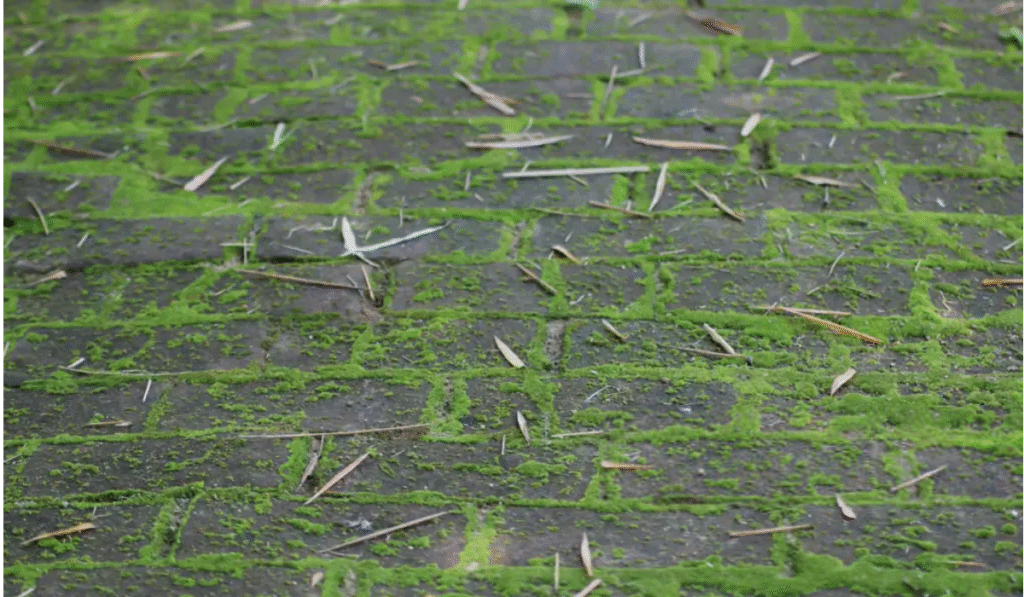
Moss on your driveway is not just an unsightly inconvenience, it can also create hazardous conditions and lead to long-term damage if left untreated. In the damp, temperate climate of the UK, moss is a common problem for homeowners, particularly in shaded or north-facing areas where moisture lingers. Whether you have a newly installed driveway or one that’s been in place for decades, taking proper steps to remove and prevent moss is key to maintaining its appearance, safety, and lifespan. And with Innovative Driveway Design Trends for 2025 placing greater emphasis on low-maintenance, sustainable materials and finishes, keeping your driveway moss-free is more relevant than ever. In this extended guide, we’ll explore everything you need to know: what causes moss, how to remove it, how to keep it away, and when to bring in professionals like Driveways Weymouth, your trusted local experts in driveway care and maintenance across Dorset.
What is Moss and Why Does it Grow on Driveways?
Moss is a small, non-vascular plant that thrives in damp, cool, and shaded environments. Unlike weeds, moss does not grow from seeds or roots, it reproduces via spores and clings to surfaces where moisture is trapped.
Common conditions that promote moss growth include:
- Persistent dampness
- Lack of air circulation
- Limited sunlight (especially on north-facing driveways)
- Porous materials that absorb and retain moisture
- Debris accumulation, such as fallen leaves or soil deposits
Driveways constructed from block paving, tarmac, or concrete are all vulnerable to moss, particularly if they are ageing, poorly maintained, or rarely cleaned.
The Risks of Leaving Moss Untreated
While moss might appear harmless at first, ignoring it can lead to a range of issues that affect both safety and property value. Some of the key risks include:
1. Slip Hazards
Moss becomes extremely slippery when wet, creating a potential risk for slips, falls, and injuries. This is especially dangerous during the colder months when moss and moisture freeze over.
2. Surface Degradation
Moss holds moisture against the surface of your driveway, which can lead to:
- Erosion of tarmac or concrete
- Displacement of blocks or bricks in paved driveways
- Growth into cracks and joints, widening them over time
3. Drainage Issues
Thick moss build-up can block drainage channels and cause water to pool on the driveway surface, exacerbating moss growth and causing longer-term problems like flooding or erosion.
4. Visual Appearance
Moss can make even the most expensive driveway look unkempt, lowering kerb appeal and potentially decreasing your home’s market value.
Effective Moss Removal Methods

There are several different ways to remove moss, each suited to different driveway materials, budgets, and levels of infestation. Below are both manual and chemical options, with detailed steps.
1. Manual Removal with a Stiff Brush
This is the most straightforward approach for small areas or light growth.
What you’ll need:
- Stiff-bristled yard broom or wire brush
- Garden gloves
- Bucket of warm soapy water or diluted bleach (non-toxic alternatives if preferred)
How to do it:
- Sweep the area to remove any loose debris.
- Apply your chosen cleaning solution to the mossy areas.
- Scrub the moss vigorously using the brush, working it out of cracks and crevices.
- Rinse thoroughly with clean water.
Limitations: This method is time-consuming and may not fully eliminate moss roots or spores, leading to regrowth.
2. Pressure Washing (Jet Washing)
Pressure washing is one of the most effective ways to remove stubborn moss from driveways. It removes moss from both the surface and any porous areas where it may be embedded.
Steps:
- Choose the appropriate nozzle and pressure setting for your driveway material (low-pressure for older tarmac or block paving).
- Work in sections to ensure full coverage.
- Use a surface cleaner attachment for consistent pressure and reduced splash.
- Allow the surface to dry completely.
Caution: Incorrect use of a pressure washer can damage the driveway surface or dislodge jointing sand from block paving. That’s why many homeowners in Dorset rely on specialists like Driveways Weymouth, who are trained in safe, professional pressure washing techniques.
3. Chemical Moss Killers and Biocides
These products are available at most garden centres and DIY stores, and are designed to kill moss at the root.
Types of products:
- Ready-to-use sprays
- Concentrated formulas (diluted with water)
- Path and patio cleaners with moss inhibitors
Application tips:
- Use in dry weather and avoid rainfall for 24–48 hours post-application.
- Always wear gloves and follow manufacturer safety instructions.
- Avoid runoff onto lawns or garden beds, as many chemicals are not plant-safe.
After treatment, dead moss should be brushed away or removed with light jet washing.
Natural Moss Removal Methods
For environmentally conscious homeowners or those with pets and children, natural methods can also be effective, particularly for ongoing maintenance:
White Vinegar
Mix equal parts white vinegar and water in a spray bottle. Apply to the moss, leave for 30 minutes, then scrub off and rinse.
Baking Soda
Sprinkle over the moss in dry weather. Leave overnight, then sweep away the following day.
Boiling Water
Pour directly over moss patches and scrub with a brush. Repeat as needed.
While these methods are safer for the environment, they may be slower to work and require multiple applications.
Advanced Prevention Techniques
Once you’ve cleaned your driveway, preventing moss from returning is crucial. Here are practical and long-term strategies to keep your drive clear and clean:
Improve Drainage Systems
Inspect and clean nearby drains, gutters, and driveway slopes. Ensure rainwater flows away efficiently and does not pool on the surface.
Apply a Driveway Sealant
Sealing your driveway creates a waterproof barrier, reducing porosity and making it harder for moss to establish. Sealants also enhance colour and extend surface life.
Regular Sweeping and Cleaning
Debris encourages moss growth by trapping moisture and providing nutrients. Routine sweeping removes leaves, dirt, and organic material that promote moss development.
Re-sanding Block Paving
If you have block paving, re-sanding the joints after moss removal helps lock the blocks in place and prevents future moss intrusion.
Trim Overhanging Branches
Reducing shade on the driveway increases sunlight exposure and airflow, making conditions less favourable for moss to grow.
Can New Driveways Still Get Moss?
Yes. Even brand-new driveways can develop moss if installed in shaded areas, or if maintenance is neglected. This is especially common in rural areas or driveways lined by hedges or large trees. Applying a sealant and beginning regular cleaning from the start is the best way to protect your investment.
When Is It Time to Call in a Professional?
While DIY moss removal is possible, there are times when hiring a professional is not only easier but also safer and more effective:
- Moss keeps returning despite repeated efforts
- You are unsure about proper pressure washing settings
- Your driveway has not been cleaned or resealed in years
- Drainage issues or disrepair are visible
- You have mobility or health concerns that prevent manual removal
Why Choose Driveways Weymouth?
Driveways Weymouth is a trusted local service provider offering expert driveway care in Weymouth and the surrounding Dorset area. Their team specialises in:
- Professional moss and algae removal
- Pressure washing and surface restoration
- Sealant application and surface protection
- Driveway repairs and maintenance packages
- Eco-conscious treatment options
They are equipped to handle all types of driveways, including concrete, tarmac, block paving, resin-bound, and natural stone, using industry-leading tools and environmentally-safe solutions.
By choosing Driveways Weymouth, you benefit from:
- Tailored services for your driveway type
- Competitive pricing
- Local knowledge and fast response times
- Friendly, professional customer service
- Guaranteed results and aftercare support
Final Thoughts
Moss is a persistent problem for many UK homeowners, but it doesn’t have to be a permanent one. With the right tools, knowledge, and maintenance habits, you can keep your driveway looking fresh, safe, and inviting all year round.
For those who prefer a professional touch or simply want the job done right the first time, Driveways Weymouth offers a complete range of moss removal and driveway cleaning services designed to restore your property’s appearance and value.
Contact Driveways Weymouth today for a free consultation and discover how easy it is to give your driveway a new lease of life.